Kitchen cabinet installation cost is one of the biggest questions homeowners ask before starting a kitchen update. Cabinets shape the look of the kitchen, but the installation determines how well they fit, function, and last. A beautiful cabinet line can still lead to problems if the boxes are not level, doors do not align, fillers are poorly placed, or the layout was not measured correctly.
In 2026, the cost to install kitchen cabinets can vary from a few thousand dollars for a simple stock cabinet installation to much higher pricing for large kitchens, custom cabinetry, islands, pantry cabinets, crown molding, and detailed finish work. For homeowners in Orland Park, IL, the right budget depends on the kitchen size, cabinet type, labor involved, removal needs, and how much finishing work is required.
This guide breaks down the average kitchen cabinet installation cost, how the cabinet installation price is calculated, what affects labor, and how to plan a project that fits your home, budget, and long-term goals.
Key Takeaways
- Kitchen cabinet installation cost in 2026 often ranges from $2,000 to $18,000+, depending on kitchen size, cabinet type, layout, and labor.
- A standard kitchen cabinet installation project commonly falls around $4,000 to $10,000 for many mid-sized kitchens.
- Cabinet installation may be priced by linear foot, per cabinet, hourly labor, or total project scope.
- Custom cabinet installation cost is usually higher because it requires more precision, fitting, trim work, and finish detail.
- Orland Park homeowners should compare what is included in the cabinet install price, not just the lowest number.
- The most accurate cost to install cabinets in a kitchen comes from a local estimate with measurements, cabinet type, removal needs, and installation details.
Average Kitchen Cabinet Installation Cost in 2026
The average kitchen cabinet installation cost in 2026 depends on whether you are paying for installation only or a full cabinet replacement that includes products, removal, trim, hardware, and finishing.
For installation labor alone, many homeowners can expect a range of $2,000 to $10,000 for common projects. Larger kitchens, custom cabinets, detailed molding, islands, and difficult wall or floor conditions can push the cost higher. If the project includes new cabinets plus installation, the total investment can be much more.
A simple stock cabinet installation in a small kitchen is usually more affordable because the cabinets come in standard sizes and require fewer adjustments. A semi-custom cabinet installation costs more because there are more layout options, better storage features, and often more detailed fitting. Custom cabinet installation is the most labor-intensive because each piece needs to fit the design exactly.
Typical Cabinet Installation Price Range
| Installation Type | Estimated 2026 Cost Range | Best For |
| Basic stock cabinet installation | $2,000–$6,000 | Small kitchens, rental properties, simple layouts |
| Semi-custom cabinet installation | $4,000–$10,000 | Most homeowner kitchen upgrades |
| Custom cabinet installation | $8,000–$18,000+ | Larger kitchens, detailed layouts, premium homes |
| Full cabinet replacement with removal | $6,000–$20,000+ | Complete cabinet upgrades with tear-out and finishing |
These are planning ranges. A real cabinet install price depends on your kitchen measurements, cabinet order, wall conditions, layout, and what is included in the quote.
Cabinet Installation Cost Per Linear Foot vs. Per Cabinet
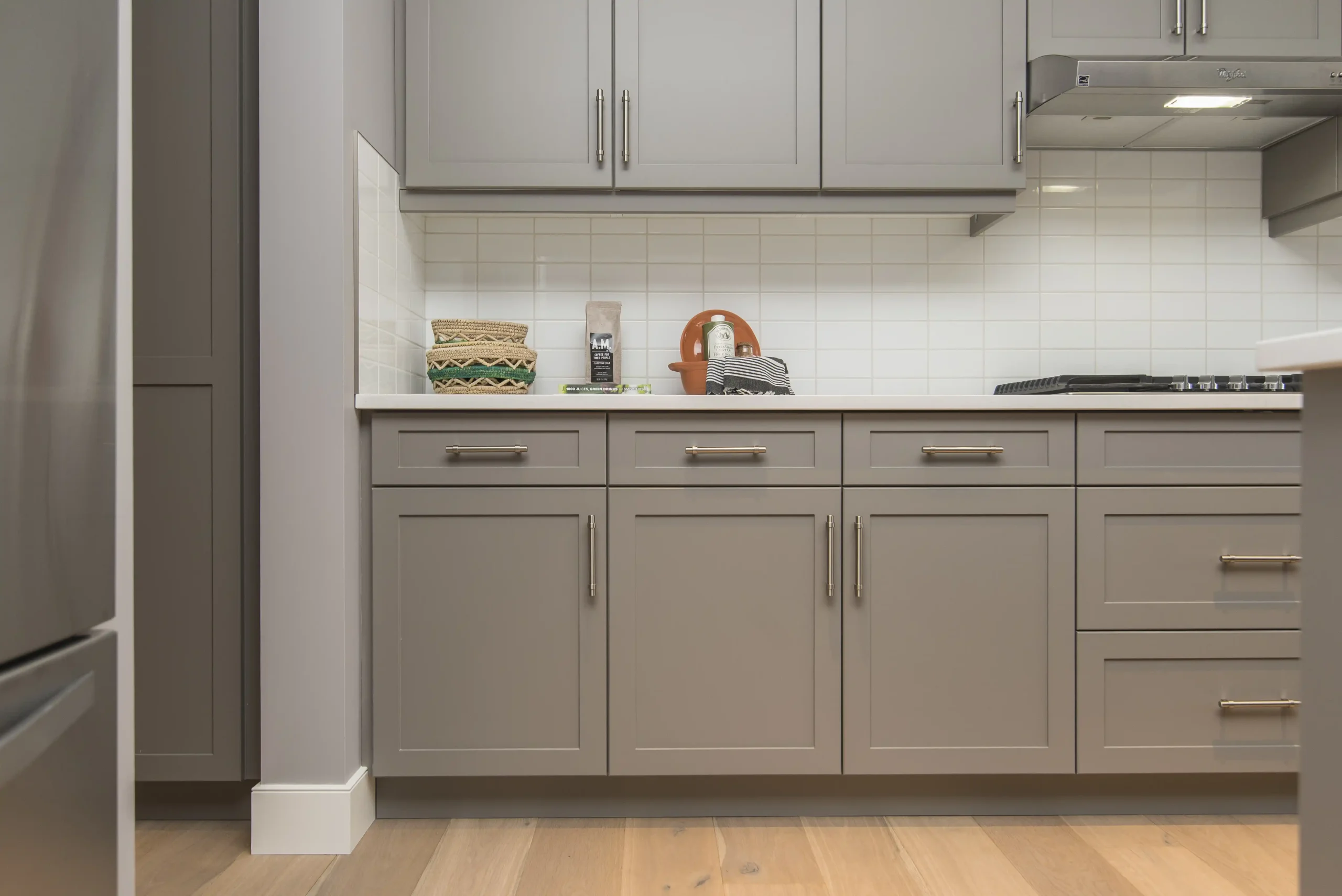
Cabinet installers may price a project in different ways. Some use linear-foot pricing, some use per-cabinet pricing, and others provide one total project estimate. Each method can be useful, but homeowners should understand what the number includes.
Cost Per Linear Foot
Linear-foot pricing is common because cabinets run along walls, islands, or pantry areas. It gives homeowners a quick way to compare small, medium, and large kitchens.
As a general 2026 estimate:
| Cabinet Installation Category | Estimated Cost |
| Basic cabinet installation labor | $69–$150 per linear foot |
| Stock or semi-custom installed projects | $100–$650 per linear foot |
| Custom cabinet installation with product and detailed work | $500–$1,200+ per linear foot |
The lower end usually applies to simple installation work with standard cabinets and minimal adjustments. The higher end often includes upgraded cabinet lines, custom fitting, specialty panels, crown molding, pantry cabinets, or detailed finish work.
Cost Per Cabinet
Per-cabinet pricing can also be used, especially when the project has a clear number of wall cabinets, base cabinets, pantry cabinets, and drawer units. A basic wall cabinet may be easier to install than a tall pantry cabinet or a cabinet that must fit around appliances.
As a planning estimate, standard cabinet installation may range from $300 to $750+ per cabinet, depending on size, cabinet type, site conditions, and trim details. Larger cabinet pieces, tall units, and custom sections can cost more because they take more time to set, level, secure, and adjust.
Why Total Project Pricing Is Often More Accurate
For most homeowners, a full project quote is more useful than a single per-foot or per-cabinet number. Kitchen cabinet installation includes more than placing boxes on a wall.
A complete quote may include:
- Measuring and layout review
- Cabinet preparation
- Base cabinet installation
- Wall cabinet installation
- Fillers and panels
- Door and drawer adjustments
- Hardware installation
- Crown molding or trim
- Removal of old cabinets
- Cleanup and final review
When comparing estimates, ask what is included. A lower cabinet install price may not include removal, hauling, trim, hardware, or adjustments.
What Is Included in Kitchen Cabinet Installation?
Kitchen cabinet installation is a detailed process. Good installation affects how the kitchen looks, how drawers operate, how countertops sit, and how long the cabinets perform properly.
1. Measuring and Layout Review
Accurate measurements are the starting point for a successful cabinet project. Installers need to account for walls, corners, windows, doors, appliance openings, plumbing locations, ceiling height, and floor conditions.
In Orland Park homes, kitchen layouts can vary widely. Some kitchens have straightforward wall runs, while others include islands, angled walls, older flooring transitions, or remodeling changes from previous owners. Careful measuring helps avoid gaps, wrong cabinet sizes, appliance conflicts, and delays.
2. Cabinet Assembly or Preparation
Some cabinets arrive fully assembled. Others may require assembly or preparation before they can be installed. Ready-to-assemble cabinets can reduce product cost, but they may add labor if a professional has to assemble, square, and prepare each cabinet before setting it.
Preparation may include checking cabinet parts, attaching legs or supports, reviewing panels, organizing trim pieces, and confirming that doors and drawers are ready for final adjustment.
3. Setting Base Cabinets and Wall Cabinets
Base cabinets must be level and properly secured because they support countertops. If the base cabinets are uneven, the countertop may not sit correctly. Wall cabinets must be safely anchored and aligned so the finished kitchen looks clean and consistent.
Installers use shims, levels, fasteners, fillers, and adjustments to create a proper fit. This is especially important when walls are not perfectly straight or floors are not level.
4. Hardware, Doors, Drawers, and Final Adjustments
The finishing stage is where the kitchen starts to look complete. This part may include:
- Installing hinges and drawer slides
- Attaching cabinet doors and drawer fronts
- Adjusting reveals and gaps
- Installing knobs and pulls
- Checking drawer movement
- Testing door alignment
- Making final touch-ups where needed
These details matter. Even small alignment issues can make new cabinets look poorly installed.
What Affects the Cost to Install Kitchen Cabinets?

The cost to install cabinets in a kitchen depends on the amount of labor, the condition of the room, and the level of finish expected. Two kitchens with the same number of cabinets can have different installation costs if one has uneven walls, crown molding, appliance changes, or custom panels.
Kitchen Size and Number of Cabinets
A larger kitchen naturally takes more time to install. More cabinets mean more leveling, fastening, adjusting, trim work, and hardware.
| Kitchen Size | Common Cabinet Scope | Estimated Install Cost |
| Small kitchen | Fewer wall and base cabinets | $2,000–$6,000 |
| Medium kitchen | Standard layout with more storage | $4,000–$10,000 |
| Large kitchen | More cabinets, island, pantry, trim | $8,000–$18,000+ |
A small kitchen may have one main cabinet run and limited upper cabinets. A medium kitchen may include multiple walls, deeper drawers, and more storage. A large kitchen may include an island, tall pantry cabinets, finished sides, and decorative molding.
Cabinet Type: Stock, Semi-Custom, or Custom
Stock cabinets usually cost less to install because they come in standard sizes. They are a practical choice for simple layouts, rental units, and budget-conscious projects.
Semi-custom cabinets can cost more to install because they offer more size and finish options. They may include better storage accessories, finished panels, and trim details.
Custom cabinet installation cost is usually the highest because the work requires exact fitting. Custom pieces often need careful handling, detailed alignment, specialty trim, and precise finish work.
Wall, Floor, and Ceiling Conditions
Kitchens are not always perfectly square. Uneven floors, bowed walls, old drywall, ceiling height changes, and previous remodeling work can make cabinet installation more difficult.
Extra labor may be needed when installers have to shim cabinets, adjust fillers, correct gaps, or work around imperfect surfaces. This is one reason a site-specific estimate is more reliable than a simple online average.
Removal of Old Cabinets
If the old cabinets need to be removed, that adds labor. Removal can include disconnecting cabinets from walls, protecting nearby surfaces, hauling debris, and preparing the area for new installation.
Homeowners should ask if removal and disposal are included. In some quotes, cabinet removal is separate from installation. For planning, removal and disposal may add $500 to $2,000+, depending on kitchen size and how the old cabinets are attached.
Trim, Crown Molding, Fillers, and Panels
Trim and finishing pieces can raise the cabinet install price, but they also create a more finished look. Fillers close small gaps near walls and appliances. Finished panels cover exposed cabinet sides. Crown molding gives upper cabinets a built-in appearance.
These details take time to cut, fit, and install correctly. For kitchens where appearance matters, they are often worth including in the budget.
Appliances, Plumbing, Electrical, and Countertops
Cabinets connect with many other parts of the kitchen. Sink cabinets must work with plumbing. Appliance openings must be accurate. Countertop installers need properly leveled base cabinets. Electrical outlets, under-cabinet lighting, and island features may also affect the project.
Changing the cabinet layout can create extra work if appliances, plumbing, or electrical locations need to move. Keeping the same layout often helps control installation cost.
Cabinet Installation Labor Cost Breakdown
Labor is not just about time. It reflects skill, accuracy, tools, preparation, and the ability to handle unexpected conditions.
Basic Labor
Basic cabinet installation labor usually includes placing cabinets, leveling them, securing them to walls, joining cabinet boxes, and adjusting doors and drawers. This work creates the foundation for the finished kitchen.
If base cabinets are not level, countertops can be affected. If wall cabinets are not anchored correctly, safety becomes a concern. If doors are not adjusted, the kitchen can look unfinished even when the cabinets are new.
Specialty Labor
Specialty labor includes more detailed work such as crown molding, tall pantry cabinets, island cabinets, custom panels, built-ins, appliance panels, or modified cabinet fitting.
This type of work costs more because it requires more precision. A simple cabinet run may be completed faster, while a kitchen with custom details needs more time for measuring, cutting, aligning, and finishing.
Additional Labor Costs Homeowners May Overlook
Some costs are easy to miss during early budgeting. These may include:
- Old cabinet tear-out
- Wall patching after removal
- Flooring gaps under old cabinets
- Plumbing disconnect or reconnect
- Electrical adjustments
- Countertop coordination
- Delivery or carrying cabinets into the home
- Extra hardware installation
- Touch-up and final adjustments
A clear estimate helps reduce surprises before the project starts.
Stock vs. Semi-Custom vs. Custom Cabinet Installation Cost
Cabinet type affects both product cost and labor cost. The more detailed the cabinet design, the more skill and time the installation may require.
| Cabinet Type | Install Difficulty | Estimated Installed Cost Level | Notes |
| Stock cabinets | Lower | Budget-friendly | Standard sizes, fewer adjustments |
| Semi-custom cabinets | Moderate | Mid-range | Better fit, more storage and finish options |
| Custom cabinets | Higher | Premium | Exact sizing, detailed finish work, higher precision |
When Stock Cabinet Installation Makes Sense
Stock cabinet installation is a good option for simple kitchens, rental properties, small homes, and projects where budget is the main concern. It can give the kitchen a cleaner look without the cost of custom design.
The tradeoff is limited sizing, fewer finish choices, and less flexibility if the kitchen has unusual measurements.
When Semi-Custom Installation Is Worth It
Semi-custom cabinets are often a strong choice for Orland Park homeowners who want better function without going fully custom. They allow more flexibility with sizes, storage features, door styles, and finishes.
For many family kitchens, semi-custom installation offers a practical balance between appearance, durability, and cabinet install price.
Why Custom Cabinet Installation Costs More
Custom cabinets require more planning and precision. They may be built to fit unusual walls, specific storage needs, ceiling heights, or premium design details.
Installation costs more because the expectations are higher. The fit must be exact, the finish work must be clean, and the final result should look built for the space.
How Much Should You Budget for Cabinet Installation in Orland Park, IL?
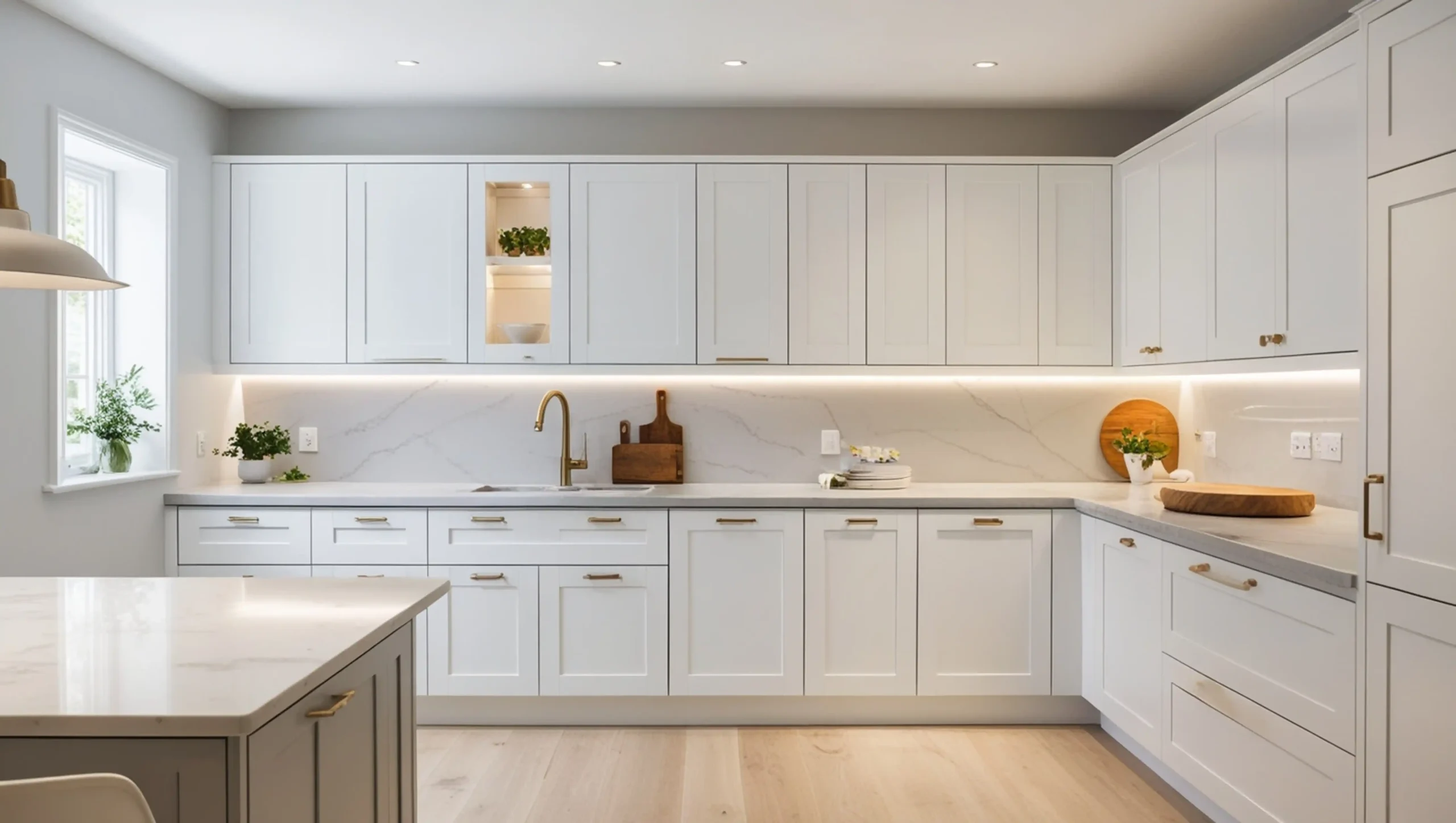
Orland Park homeowners should budget based on the actual kitchen, not just a national average. A compact kitchen in a condo or rental property may need a simple installation. A larger single-family home may need a more detailed layout with pantry storage, an island, and upgraded trim.
Budget Range for a Basic Cabinet Install
For a smaller or simpler cabinet installation, homeowners may plan around $2,000 to $6,000 for installation labor. This range usually fits standard cabinets, requires fewer adjustments, and requires limited trim work.
This may be appropriate for a rental property, a smaller kitchen, or a straightforward replacement where the existing layout stays the same.
Budget Range for a Standard Kitchen Cabinet Installation
Many standard kitchen cabinet installation projects fall around $4,000 to $10,000. This range is common when there are more cabinets, better materials, hardware adjustments, finished panels, and normal installation details.
For Orland Park homeowners updating a main kitchen, this is often a realistic planning range before cabinet product costs are added.
Budget Range for a Larger or Custom Cabinet Installation
Larger kitchens, custom cabinets, islands, pantry cabinets, crown molding, and detailed finish work may place installation around $8,000 to $18,000+. These projects take more planning, more labor, and more careful coordination with countertops, appliances, and other kitchen updates.
Why Local Estimates Matter
Local estimates matter because every kitchen has its own conditions. Older cabinets may leave wall damage. Floors may not be level. Appliance openings may need adjustment. Homeowners may also have different expectations based on the value and style of the property.
A local consultation helps connect the cabinet install price to the real scope of work.
Cabinet Installation vs. Full Cabinet Replacement Cost
It is important to separate installation-only pricing from full replacement pricing. They are not the same.
Installation-Only Cost
Installation-only pricing may apply when the homeowner has already purchased cabinets and only needs a professional to install them. This can work, but it requires careful coordination. The installer still needs to confirm that the cabinets fit, all parts are available, and the layout makes sense.
If cabinets were ordered incorrectly, the project may require fillers, modifications, or delays.
New Cabinets Plus Installation
A full cabinet replacement project includes more than labor. It may include cabinet products, delivery, removal, installation, trim, panels, hardware, and cleanup.
This type of project costs more, but it can also be easier to manage because the cabinet selection and installation plan are connected from the beginning.
Refacing vs. New Cabinet Installation
| Option | Estimated Cost Level | Best For |
| Painting | Lower | Cosmetic refresh when cabinets are solid |
| Refacing | Mid-range | Strong cabinet boxes with outdated doors |
| New cabinet installation | Mid to high | Better layout, storage, and structure |
| Custom cabinet installation | Highest | Premium design and exact fit |
Painting or refacing may work when the cabinet boxes are in good shape and the layout already functions well. New cabinet installation is better when cabinets are worn, damaged, poorly arranged, or lacking storage.
Hidden Costs That Can Increase Cabinet Installation Price
Hidden costs usually come from details that were not planned early enough. A careful review before installation can help prevent budget problems.
Poor Measurements
Wrong measurements can create major issues. Cabinets may not fit between walls, appliances may not line up, or fillers may be needed in places that affect the design. Accurate measurements protect the budget and help the finished kitchen look intentional.
Uneven Walls or Floors
Uneven surfaces require extra adjustments. Installers may need to shim cabinets, adjust alignment, or spend more time creating a level cabinet run. This is common in older kitchens or homes that have been remodeled before.
Last-Minute Layout Changes
Changing the layout after cabinets are selected can increase cost quickly. Moving a sink, range, refrigerator, island, or pantry area may involve plumbing, electrical, flooring, and countertop changes.
Missing Trim, Fillers, or Panels
A cabinet order without the right trim or panels can leave exposed sides, gaps, or unfinished areas. These pieces may seem minor, but they are important for a clean final appearance.
Not Planning Around Countertops and Backsplash
Cabinets must be installed correctly before countertop templates are made. If base cabinets are not level or appliance openings are off, the countertop process can be delayed. Backsplash edges and wall tile layout can also be affected by cabinet placement.
Is Professional Kitchen Cabinet Installation Worth the Cost?
Professional cabinet installation is worth the cost for most homeowners who want a clean, stable, and long-lasting result. Cabinets are used every day, and mistakes can affect both appearance and function.
Why Installation Quality Matters
Installation quality affects door alignment, drawer movement, countertop support, cabinet stability, and the finished look of the kitchen. A small installation mistake can become noticeable every time someone opens a drawer or sees a gap near a wall.
Good installation helps cabinets feel solid, look balanced, and perform the way they should.
DIY Cabinet Installation Risks
DIY installation may seem like a way to save money, but it can create expensive problems if the installer lacks the right tools or experience.
Common risks include:
- Uneven cabinets
- Gaps between walls and cabinets
- Doors and drawers that do not align
- Countertop fitting problems
- Damaged cabinets
- Wall or flooring damage
- Unsafe wall cabinet anchoring
Experienced DIYers may be able to handle a small, simple project. For full kitchen upgrades, professional installation is usually the safer choice.
When Hiring a Professional Is the Better Choice
Professional installation is especially important for semi-custom cabinets, custom cabinets, large kitchens, islands, crown molding, and projects involving countertops, backsplash, plumbing, or electrical coordination.
If the kitchen is a main living space or part of a larger remodeling plan, the installation should be handled carefully from the start. For precise cabinet installation, our experts at Kitchen Cabinet provide quality services for a flawless fit in your space, which makes your kitchen stunning while enhancing its functionality.
How to Save Money on Kitchen Cabinet Installation Without Cutting Quality
Saving money does not mean choosing the cheapest installation. It means making smart decisions before work begins.
Keep the Existing Layout When Possible
Keeping the same layout can help control cost because it avoids major changes to plumbing, electrical, appliance placement, and flooring. If the current layout works, replacing cabinets in the same general footprint may be the most budget-friendly approach.
Choose the Right Cabinet Type for the Property
A rental property may not need custom cabinetry. A family home may benefit from semi-custom cabinets with better storage and stronger materials. Many homeowners choose Shaker Style Cabinets because of their clean appearance and ability to complement both traditional and modern kitchen designs. A high-value home may justify more detailed cabinet work. Choosing the right cabinet type helps prevent overspending or underinvesting.
Limit Unnecessary Custom Details
Custom details can improve a kitchen, but not every upgrade is necessary. Spend on features that improve daily use, such as deep drawers, pantry storage, soft-close hardware, and durable cabinet construction.
Decorative extras should support the design without overwhelming the budget.
Get a Clear Quote Before Work Starts
A good quote should explain what is included. Ask about labor, removal, trim, hardware, delivery, cleanup, cabinet preparation, and any possible added work.
This helps homeowners compare quotes fairly and avoid paying extra for items they thought were already included.
Why Choose Kitchen Cabinet Design for Installation in Orland Park, IL?
Kitchen Cabinet Design helps homeowners, property managers, and business owners in Orland Park, IL, plan kitchen cabinet projects with practical guidance and a clear focus on fit, function, and long-term value.
Cabinet installation is not just about placing cabinets in a room. It is about making sure the kitchen works better after the project is complete. Kitchen Cabinet Design helps customers compare cabinet options, review layout needs, understand budget factors, and plan installation details before work begins.
Whether the project involves a simple cabinet replacement, white Shaker cabinets, semi-custom storage upgrades, or a more complete kitchen update, Kitchen Cabinet Design focuses on helping customers choose cabinets that match the space and the way it will be used.
Final Thoughts
In 2026, basic kitchen cabinet installation may start around $2,000 to $6,000 for smaller or simpler projects. Many standard kitchen cabinet installation projects may fall around $4,000 to $10,000. Larger, custom, or detail-heavy installations may reach $8,000 to $18,000+.
The final cabinet installation cost depends on the size of your kitchen, cabinet type, layout, wall and floor conditions, removal needs, trim work, and installation details. For homeowners in Orland Park, IL, Kitchen Cabinet Design can help review your kitchen layout, compare cabinet options, and plan a cabinet installation that fits your space, budget, and long-term goals.